
Help remove sediment, reduce mineral buildup, improve hot water performance, and support the life of your tank or tankless water heater.
Tell us what’s going on and we’ll be in contact as soon as possible.

Over time, sediment and mineral buildup can collect inside a water heater. When that happens, your system may make popping or rumbling noises, take longer to heat, run out of hot water faster, or work harder than it should. A water heater flush can help remove buildup from many tank-style systems and support better performance.
Water Heater Repair Austin helps homeowners request water heater flushing service in Austin, including sediment-related concerns, hot water performance issues, tankless descaling needs, and routine maintenance recommendations.
Flushing is not a fix for every water heater problem. If your unit is leaking, badly corroded, very old, or no longer producing reliable hot water, repair or replacement may need to be considered. But if sediment buildup is affecting performance, a water heater flush may be a helpful maintenance step.
Flushing can help remove sediment buildup from tank-style water heaters and reduce performance problems caused by mineral deposits.
Request help with tank water heater flushing, tankless water heater flushing, descaling needs, and maintenance-related performance concerns.
If your hot water runs out quickly, takes too long to heat, or your water heater is making noise, flushing may help identify or reduce sediment-related issues.
A flush can be part of routine water heater maintenance and may help you understand whether the system needs service, repair, or replacement.

Sediment buildup may be the reason. Call or request water heater flushing service in Austin.
Flushing, descaling, sediment removal, and maintenance support for tank and tankless water heaters.
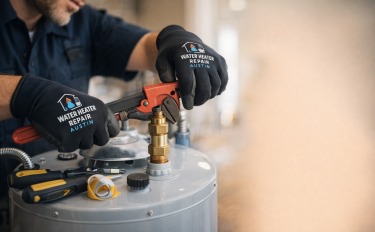
Tank-style water heaters can collect sediment over time. Flushing may help remove buildup, reduce popping or rumbling noises, and support more consistent hot water performance.
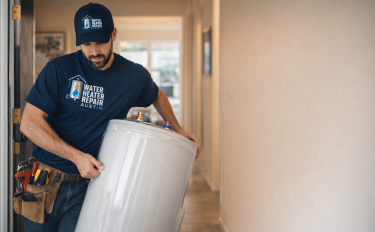
Tankless systems can develop mineral buildup that affects flow, heating, and performance. Descaling or flushing may be needed if the unit has inconsistent hot water or error codes.
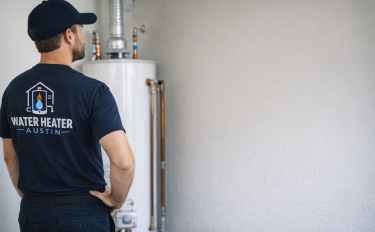
If your water heater is not producing hot water, runs cold quickly, or only gives lukewarm water, sediment may be one possible cause. The issue may also involve a heating element, thermostat, pilot light, or tankless problem.

If you are not sure whether your water heater needs flushing, repair, or replacement, start with a general service request to identify the most practical next step.
A water heater does not always show obvious signs when sediment is building up inside the tank. In many cases, homeowners first notice noise, reduced hot water, slower heating, or rusty-looking water. These symptoms can have different causes, but sediment buildup is one of the most common reasons homeowners ask about water heater flushing.
Tankless water heaters can also need flushing or descaling when mineral buildup affects water flow, heating consistency, or system performance.
Common signs your water heater may need flushing include:
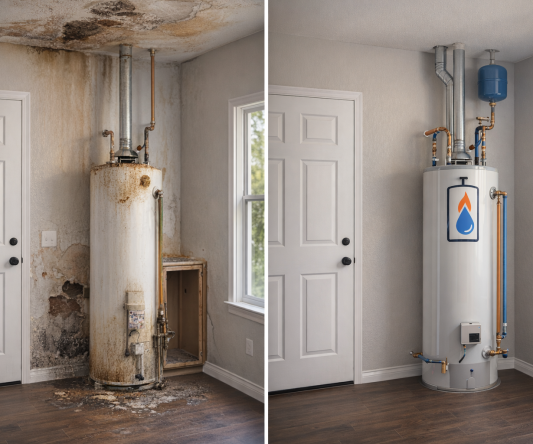

A water heater flush can be helpful when sediment or mineral buildup is affecting performance. However, flushing is not the right solution for every water heater problem. If the water heater is leaking, severely corroded, not heating at all, or repeatedly breaking down, the issue may require repair or replacement instead.
The goal is to match the service to the condition of the unit. A newer or working water heater with signs of sediment buildup may benefit from flushing. A system with leaking, major corrosion, or repeated no-hot-water problems may need a different solution.
“Our water heater was making a popping noise and the hot water was not lasting as long. They helped us understand the maintenance options and what flushing could help with.”
Daniel A
“We wanted to flush our water heater before it turned into a bigger problem. The process was simple, and they explained what signs to watch for.”
Elizabeth Z
“Our tankless water heater had inconsistent hot water, and we were not sure if it needed repair or descaling. They helped explain the next steps clearly.”
Fred D

Many homeowners consider flushing a tank-style water heater about once a year, especially if the system is making noise, hot water performance has declined, or sediment buildup is suspected. Tankless water heaters may also need routine flushing or descaling depending on usage and water quality.
A water heater flush helps remove sediment and mineral buildup from the tank. This may help improve performance, reduce popping or rumbling noises, support better heating, and make it easier to identify whether the system needs additional maintenance or repair.
Flushing is one part of water heater maintenance for many systems. Maintenance may also include checking for visible leaks, corrosion, valve issues, heating performance, tankless descaling needs, and signs that repair or replacement may be needed.
Flushing may help if sediment buildup is affecting performance, but no hot water can also be caused by a failed heating element, bad thermostat, pilot light issue, gas valve problem, tripped breaker, or tankless error code. If your unit is not heating at all, request no hot water repair.
Popping or rumbling noises are often associated with sediment buildup inside a tank-style water heater. As the water heats, trapped sediment can cause noise and reduce performance. A flush may help if sediment is the cause, but the unit should be checked if the noise is severe or paired with leaks.
Yes. Tankless water heaters can develop mineral buildup that affects flow, heating, and performance. Tankless flushing or descaling may be needed if the unit has inconsistent hot water, error codes, or reduced performance.
Routine flushing may help reduce sediment-related strain and support better system performance. It cannot prevent every failure, but it can be a helpful part of regular water heater maintenance.
Flushing may make sense if the water heater is still working and sediment buildup is the main concern. Replacement may be a better option if the tank is leaking, badly corroded, very old, unreliable, or no longer producing enough hot water.
If your water heater is making noise, producing less hot water, taking longer to heat, showing signs of sediment buildup, or overdue for maintenance, request flushing service from Water Heater Repair Austin. We can help you understand whether flushing, maintenance, repair, or replacement is the right next step.